If you’re trying to conceive, it’s tempting to think sperm are made on demand - like your body just… produces a fresh batch when the moment arrives.
Although it doesn’t quite work like that.
The sperm you ejaculate today started their journey around 3 months ago. Which means sperm health is less about a single “fertile week” and more about what your body has been dealing with over the last 8–12 weeks: sleep, stress, alcohol, illness, heat exposure, nutrition, training load, and overall health.
Firstly: sperm are built in stages
Sperm development is a step-by-step biological process. Each stage has a different job:
-
Build the starting cellsphoen
-
Copy and package DNA
-
Form structure (head, midpiece, tail)
-
Power up mitochondria
-
Refine movement and function
-
Become capable of fertilising an egg
-
Then compound improvements across multiple cycles (the stage most people ignore)
So if one stage is compromised even briefly, the impact can show up later as changes in sperm count, sperm motility, sperm morphology, or sperm DNA integrity.
Stage 1: Foundations (Days 1–16)
Creating the future sperm cells
This is where the process begins. In the testes, stem cells divide rapidly and commit to becoming sperm. It’s the “seed phase” - not the sperm you’re thinking of yet, but the early building blocks that will become them.
At this stage, the body is essentially deciding: how many cells are entering the sperm production pipeline, and what baseline conditions they’re exposed to as they begin developing. These early decisions matter because once the pipeline is moving, you can’t “fix” the foundations from the end, you can only influence the next wave.
What the body is doing
-
Rapid cell division
-
Early DNA synthesis
-
Hormonal signalling to kick off spermatogenesis
This stage sets the baseline for future quantity and overall quality. If the foundations are unstable due to high stress, poor sleep, sickness, nutrient deficiencies, toxin exposure, or heavy alcohol intake, the consequences may show up months later as lower sperm count or poorer quality.
Key supportive nutrients for this stage (early cellular support)
Zinc (bisglycinate), Folate (5-MTHF), Vitamin B12 (methylcobalamin), Selenium, Magnesium (bisglycinate), Vitamin C (calcium ascorbate)
Stage 2: DNA Formation & Sex Determination (Days 17–40)
Genetic integrity is set
This is the most genetically sensitive phase of the entire cycle.
The body takes a cell with 46 chromosomes and reduces it to 23 - so it’s ready to combine with an egg later. During this process:
-
DNA is copied, repaired, condensed, and stabilised
-
Chromosomes recombine
-
Each sperm becomes either X or Y
Important detail: sex is determined here, during sperm development - not at ejaculation, and not at fertilisation. The “coin flip” happens earlier than most people think.
What the body is doing
-
Chromosomal recombination
-
DNA repair
-
Defence against oxidative damage
DNA damage here can affect fertilisation, embryo development, implantation, and pregnancy outcomes. This is why sperm can look “fine” on a basic semen analysis, yet still carry higher DNA fragmentation risk. In other words: you can have “enough” sperm, but still have sperm that are less reliable at doing the job if DNA integrity isn’t protected during this phase.
Key supportive nutrients (genetic protection)
N-Acetyl Cysteine (NAC), R-Alpha Lipoic Acid (R-ALA), CoQ10 (ubiquinone), Vitamin C, Vitamin E, Zinc, Selenium
Stage 3: Build Shape, Structure & Power (Days 41–64)
Morphology and energy systems develop
Now things get physical.
A round, immature cell transforms into a highly specialised swimmer with:
-
A head containing tightly packed DNA
-
An acrosome (needed to penetrate the egg)
-
A midpiece packed with mitochondria
-
A tail for movement
This stage heavily influences morphology (shape) and energy capacity - two factors that can quietly make or break sperm performance.
What’s happening here is essentially “engineering”: the body is constructing a cell designed for one job - travel, survive, and deliver DNA. If you think of earlier stages as writing and protecting the information, this stage is building the vehicle that carries it.
What the body is doing
-
Building mitochondria
-
Forming the tail and midpiece
-
Strengthening membranes and structure
You can have sperm present, but if structure and energy systems are weak, motility and overall performance drop sharply. This is also why improvements can sometimes show up first as better motility or morphology before deeper DNA metrics stabilise.
Key supportive nutrients (structure & energy)
L-Carnitine L-Tartrate, Acetyl-L-Carnitine, CoQ10, PQQ, R-ALA, Magnesium, Zinc
Stage 4: Release - But Not Ready Yet (~Day 64)
Sperm leave the testes
At this point, sperm:
-
Are fully formed
-
Contain DNA
-
Are alive
But they cannot yet swim effectively or fertilise an egg.
They still require final functional maturation and this part is often overlooked because most people assume “formed” equals “ready.” Yet they still require time to mature.
Stage 5: Final Maturation & Motility (Days 64–90)
Fertilisation capability develops
Sperm travel through the epididymis, where they’re refined into their final, functional form.
This is where they:
-
Gain progressive motility
-
Improve endurance
-
Stabilise membranes
-
Become capable of fertilisation
What the body is doing
-
Refining movement patterns
-
Supporting membrane fluidity
-
Protecting sperm during final development
Motility isn’t “switched on” at ejaculation; it's formed here. This is also a fragile phase. Stress, illness, alcohol, overheating (hot baths/saunas/laptops), toxin exposure, and nutrient gaps can all affect sperm right as they’re trying to become fertilisation-ready. Even if earlier stages went well, this final stretch influences how well sperm move, survive, and function when it counts.
Key supportive nutrients (motility & function)
L-Carnitine, Acetyl-L-Carnitine, L-Arginine, Choline bitartrate, Astaxanthin, Lycopene, Vitamin E, Vitamin C, Zinc, Selenium
Stage 6: DNA Quality Improvements (Months 3–6)
The compounding phase most people ignore - and why we include it
Most sperm timelines stop at 90 days because it’s tidy and technically accurate: sperm are “mature” by then.
But DNA quality often improves most reliably after multiple cycles produced under better conditions… not just one.
Between 3–6 months of consistent changes, you’re no longer judging a single fresh cycle in isolation. You’re looking at repeated waves of sperm that were created, built, and matured in a more stable internal environment.
With steadier lifestyle inputs (sleep, training load, nutrition, reduced toxins, better recovery) and stronger antioxidant capacity, the background damage lessens. The body becomes calmer and more predictable and that’s when improvements in DNA integrity / fragmentation often become clearer and more consistent.
A full sperm cycle takes roughly 74–90 days, but DNA quality reflects more than “new production.” It reflects the overall conditions those cells matured in and those conditions often need several months of consistency to truly stabilise.
The full timeline (quick overview)
|
Stage |
What’s happening |
Timeframe |
|
Foundations |
Sperm cells created |
Days 1–16 |
|
DNA & Sex |
Chromosomes formed, sex determined |
Days 17–40 |
|
Structure |
Shape, tail, energy systems built |
Days 41–64 |
|
Release |
Sperm leave the testes (formed, not ready yet) |
~Day 64 |
|
Maturation |
Motility & function refined |
Days 65–90 |
|
Compounding |
DNA quality improvements stabilise |
Months 3–6 |
The Cheat Sheet:
-
Sperm health is a lagging indicator, what shows up today reflects the last 12 weeks.
-
Sex is set early in development, structure and energy are built mid-cycle, and motility is refined late, so real change takes time.
-
One 90-day cycle gets you “fertilisation-ready,” but the biggest improvements in DNA integrity often show up after multiple consistent cycles (months 3–6).
-
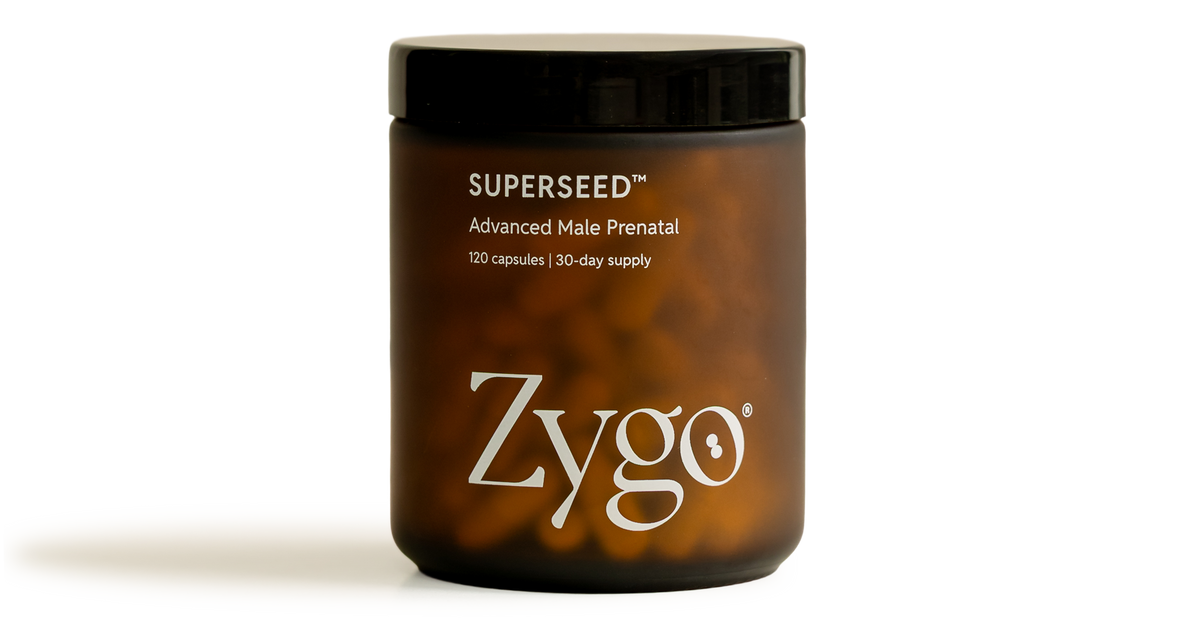
That’s why Superseed™ was formulated to support the whole timeline - foundations, DNA protection, structure, and motility - rather than obsessing over one single metric.