We always assumed getting pregnant would be simple. Not effortless, necessarily, but straightforward. One of those natural next steps in life that people talk about as if it just happens when you’re ready.
Turns out, not so much.
Like many couples, we started with hope. We’d planned ahead, made healthy choices, and tried to give ourselves the best possible start. There was an excitement to it all. A quiet confidence that things would fall into place.
But each negative test chipped away at that confidence, and the excitement slowly gave way to quiet worry.
When “doing everything right” still isn’t enough
We had both taken our health seriously. Blood tests, supplements, lifestyle changes. All the things you’re told to do. So when the pregnancy tests kept coming back negative, it was confusing. Frustrating. A little disorienting, to be honest.
More tests followed. Scans. Appointments. Investigations. And still, no clear answers. Eventually, a practitioner gently asked a question that hadn’t really crossed our minds: “Has Luis had his sperm tested?”
Our immediate reaction was to dismiss it. He was young. Fit. Healthy. Didn’t drink much. Exercised. Ate well. Surely that couldn’t be the issue. But just to rule it out, he agreed to the test.
When the results came back showing sub-optimal sperm quality, we were completely shocked. It wasn’t even something we’d considered seriously before. And that moment changed everything.
The fertility rabbit holeLike most people in that situation, we did what everyone does. We opened the laptop and fell straight into the internet’s fertility maze. Endless articles. Forums. Blog posts. Contradictory advice. Loud claims with very little evidence behind them. |
 |
When IVF entered the picture
Around this time, we were speaking to doctors and fertility specialists, and almost all of them said the same thing: IVF would likely be our best and quickest option. It felt like the ground shifted beneath us. The emotional weight. The financial pressure. The sense that everything suddenly became more serious.
We decided to move forward with private IVF, trusting we were putting ourselves in the best hands possible. But one question kept coming up: What could we actually do, on the male side, to improve our chances?
No one seemed to have a clear answer. So we started looking for one ourselves.
Luis began digging into the research, not forums or blogs this time, but actual clinical papers, meta-analyses, and nutrient trials. Night after night, he sat with PubMed open, trying to understand what genuinely influenced sperm health and what was just marketing noise.
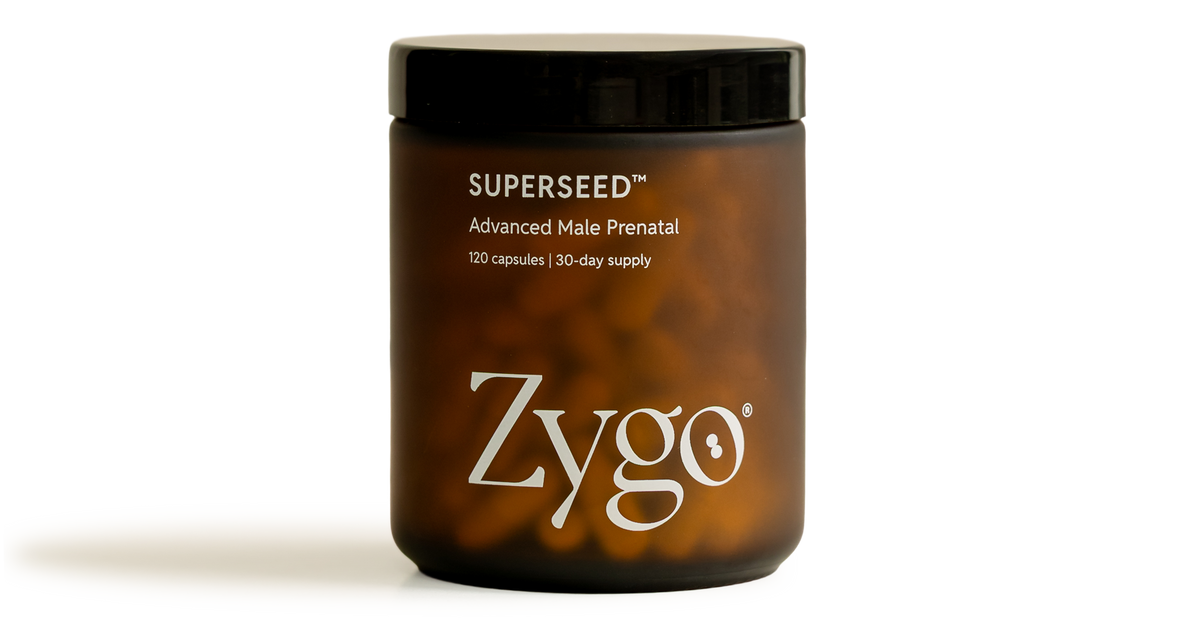
Slowly, patterns began to appear. Certain nutrients showed up again and again. Specific doses were linked to real improvements. The problem was, no single supplement covered the full picture. So he ended up taking a long list of individual products each day, trying to build the right combination himself.
When he retested, the results had improved significantly. For the first time, it felt like we weren’t just waiting and hoping anymore. We were actually doing something, and that sense of control made a huge difference.
 |
We moved forward with IVF feeling calmer than before. Still nervous, still hopeful, but more prepared. The process was filled with scans, injections, procedures, and costs that added up quickly, but we stayed focused on doing everything within our control. Eventually, after all of it, we saw the result we’d been hoping for: a positive pregnancy test. With just one round of IVF, we felt incredibly lucky. Assisted fertility treatment played a huge role in our journey, and we’re deeply grateful for it. But we also believe the research, the lifestyle changes, and the months of preparation made a meaningful difference to where we ended up. Today, we hold our baby girl in our arms, and every moment of frustration, every negative test, every late-night spiral through research suddenly feels worth it. |
Why Zygo exists
Zygo was built from lived experience. It exists because male fertility is often overlooked, even though it contributes to around half of all fertility challenges. It exists because couples deserve clearer information, better products, and more balanced support. And it exists because we know how heavy, confusing, and isolating this stage of life can feel.
Zygo isn’t about shortcuts or promises. It’s about clarity, transparency, and giving men a more active role in the process. Because fertility shouldn’t be something that just happens to you.
It should be something you feel informed and supported through. And because the right kind of support simply didn’t exist.
Until now.